Module 5: Practical Advice on Experience, Failure, and Leadership
By JOSEPH W. HANDLEY, Jr., Ph.D.
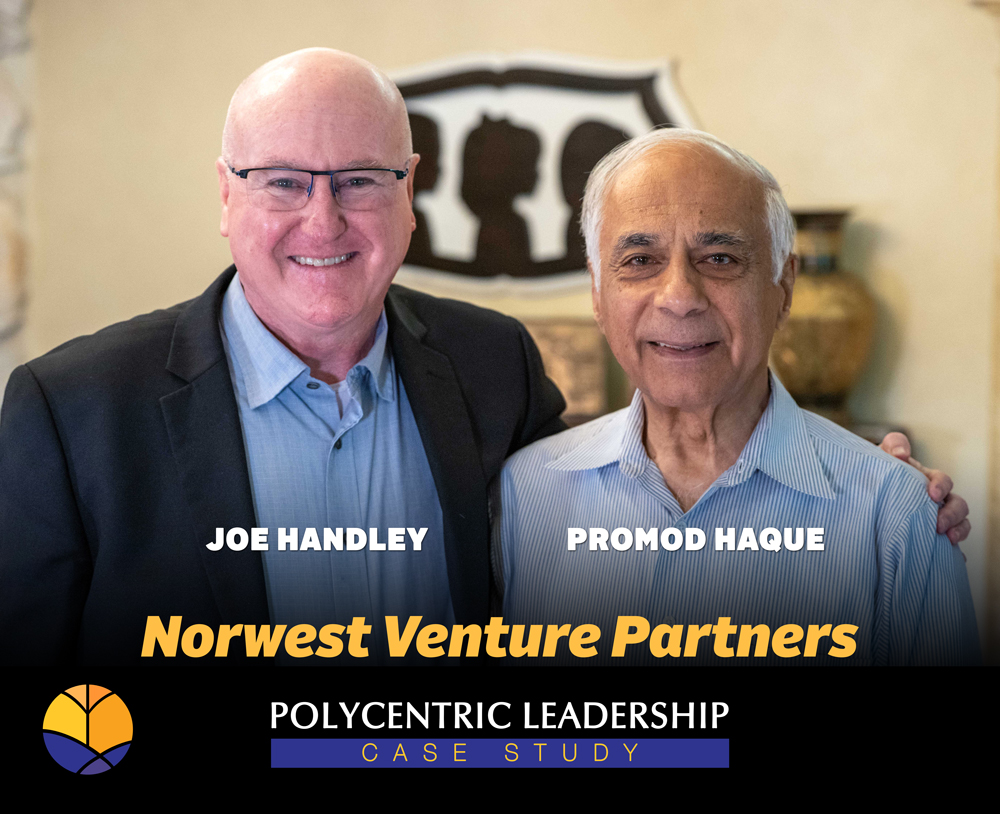
Over the course of this series, Promod Haque has shared lessons from his leadership journey, Norwest Venture Partners’ approach to diversification, the importance of trust, and the resilience that comes from adapting to change.
In this module, our conversation becomes especially personal as Promod reflects on the advice he would offer emerging leaders. Drawing from decades of experience as an entrepreneur, executive, and investor, he offers practical wisdom on gaining experience, learning from failure, and building organizations through collaboration rather than individual achievement.
In an age that celebrates entrepreneurs who launch companies immediately after college, Promod offers a refreshing perspective. While innovation and ambition are important, he believes there is tremendous value in first learning how organizations actually work.
When young leaders approach him with dreams of building a company or launching a new venture, his advice is surprisingly straightforward: gain some operational experience first.
Promod encourages aspiring leaders to spend time working within organizations that operate in the same domain they hope to enter. By doing so, they gain firsthand exposure to realities that cannot be learned from books, podcasts, or business plans alone.
As he explains:
“It’s always good to have a little bit of operating background before you actually say, ‘I’m going to start something.’”
— PROMOD HAQUE
That experience provides a deeper understanding of how products are built, how customers are served, how teams operate, and how leaders make decisions. Just as importantly, it teaches future leaders what it feels like to serve as a contributor before becoming responsible for others.
Polycentric leadership recognizes that wisdom is often developed through participation, not merely observation. Before leading organizations, it is helpful to understand what life looks like throughout the organization itself.
Learning Leadership from the Ground Up
One aspect of Promod’s advice that stood out to me is his emphasis on learning as a worker before becoming a leader.
Today’s leadership culture sometimes encourages people to pursue influence before developing experience. Yet some of the most effective leaders are those who have learned from multiple roles and responsibilities along the way.
Promod describes how operational experience exposes leaders to realities such as product development, sales, organizational design, and the human-resource challenges involved in building teams. Those lessons become invaluable later when leaders are responsible for making decisions that affect others.
This principle connects directly to polycentric leadership. Leaders who have experienced different parts of an organization tend to appreciate the perspectives of others. They understand that important insights emerge from many different roles, not only from senior leadership positions.
As organizations become more complex, that ability to understand and value diverse contributions becomes increasingly important.
Success Teaches. Failure Teaches More.
Another theme that emerged from our conversation was the importance of learning from both success and failure.
Throughout his career, Promod has invested in many companies. Some achieved remarkable success. Others struggled. Some returned little or none of the capital invested in them.
Rather than viewing those experiences as setbacks to forget, he sees them as opportunities to learn.
When challenges arise, Promod encourages leaders to pause and ask an important question:
“Let’s go back and look at, all right, what lessons did you learn from that?”
— PROMOD HAQUE
It is a simple question, but one that many leaders avoid.
Failures can be uncomfortable to revisit. Mistakes often expose weaknesses in our thinking, planning, or execution. Yet leaders who refuse to examine failure miss some of their greatest opportunities for growth.
Promod’s perspective is refreshingly practical. The goal is not to dwell on mistakes. The goal is to understand them well enough that they become valuable teachers.
As he puts it, the lessons learned through failure help ensure that we are less likely to repeat the same mistakes in the future.
Why Experience Matters
One of my favorite stories from this conversation illustrates why experience can be so valuable.
Early in his venture capital career, Promod successfully invested in a startup company. He was excited when the founders accepted his proposal. What he expected was that they had chosen him because he offered the highest valuation.
Instead, the founder explained something very different.
Although other investors had offered more attractive financial terms, the company chose Promod because he had previously served as a startup CEO and COO. His operational experience gave the founders confidence that he would understand the challenges they would face as they grew the business.
That lesson stayed with him.
The founder recognized that wisdom gained through experience often creates more value than impressive credentials or financial resources alone.
In many ways, this story captures the essence of mentorship. People are often looking for leaders who understand their challenges because they have walked a similar path themselves.
Leadership Is a Team Sport
While Promod emphasizes experience and learning, another theme runs quietly throughout his advice: leadership is never a solo endeavor.
Throughout this series, we have explored the principles of polycentric leadership, where influence is distributed and collaboration is valued. Promod’s counsel to younger leaders fits naturally within that framework.
Great leaders do not succeed because they possess all the answers. They succeed because they build teams, learn continuously, and create environments where others can contribute their strengths.
Operational experience helps leaders understand people. Failure teaches humility. Collaboration creates leverage. Together, these experiences help develop leaders who are capable of navigating complexity while empowering others.
That combination has characterized many of the most effective leaders I have encountered around the world.
Investing in the Next Generation
As I reflect on Promod’s advice, I am struck by how much of it centers on learning…
- Learn from others.
- Learn from experience.
- Learn from mistakes.
- Learn from success.
- And perhaps most importantly, pass those lessons on to others.
One of the greatest responsibilities of leadership is preparing the next generation. Every lesson we learn through our own victories and setbacks becomes a resource that can help others navigate their own journeys more effectively.
As you watch this fifth video, consider the experiences that have shaped you as a leader. Which lessons came through success? Which emerged through failure? And how might God use those experiences to equip the leaders who will follow after you?
The next generation needs more than inspiration. They need wisdom. And wisdom is often forged through experience.
Video 5: Practical Advice on Experience, Failure, and Leadership
In this module » https://vimeo.com/1202314883/e26a98b2d8
Promod offers seasoned counsel to younger leaders: gain real operational experience before launching something new, embrace the lessons that come from both success and failure, and prioritize collaborative team-building. His insights remind us that effective leadership is rarely developed overnight and that experience, humility, and continuous learning are essential ingredients for long-term influence.
Reflection Question
What is one key lesson from your own successes or failures that you can intentionally pass on to the next generation of leaders you are developing?
ABOUT PROMOD HAQUE
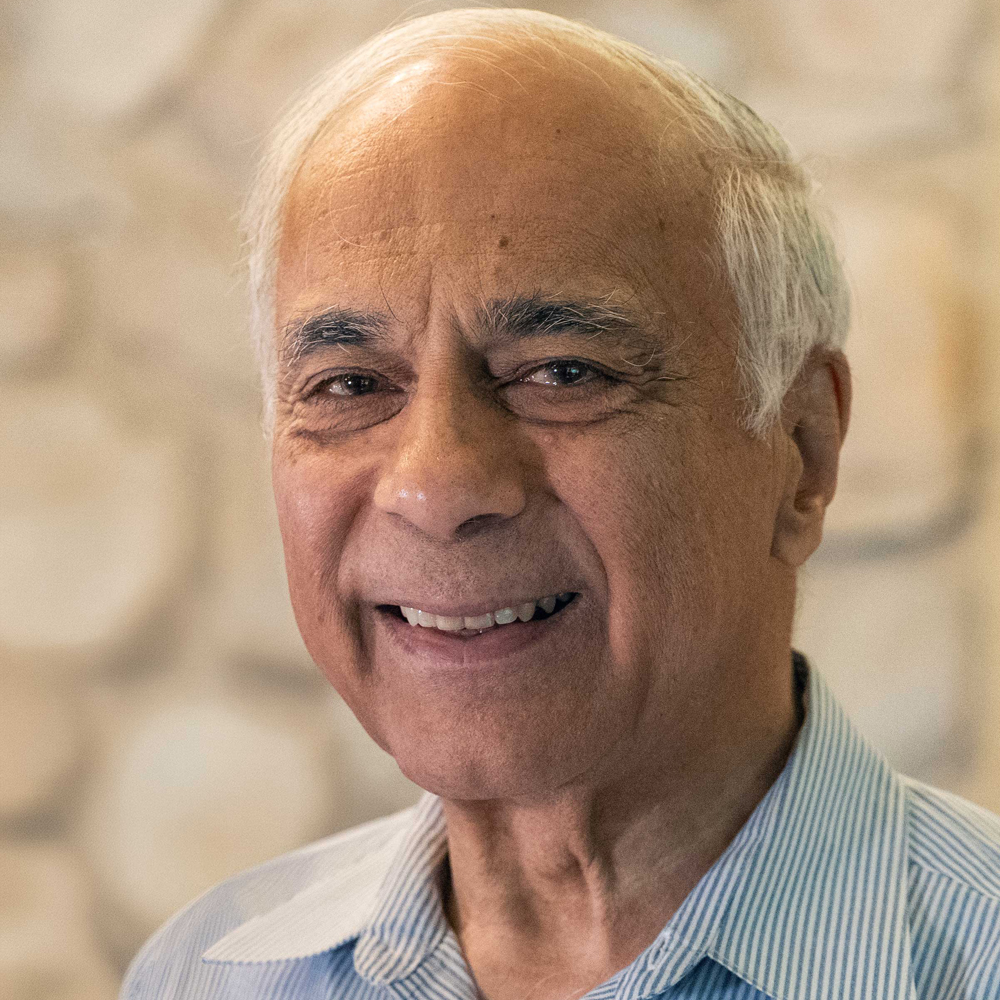
Promod Haque is a longtime venture capitalist and former Senior Managing Partner at Norwest Venture Partners, where he spent nearly four decades helping entrepreneurs build and scale innovative companies. Widely recognized as one of Silicon Valley’s most respected investors, Promod has guided numerous startups while mentoring generations of business leaders. Learn more at https://www.nvp.com
More Information
This post is the fifth in a 6-part case study series with Promod Haque:
- Part 1 – The Unexpected Path
- video link: https://vimeo.com/1202314798/a2dca8d701
- Part 2 – The Power of Diversification
- video link: https://vimeo.com/1202314796/c09687499c
- Part 3 – Trust Across Differences
- video link: https://vimeo.com/1202314797/7437a4ac0f
- Part 4 – When Centralized Models Fail
- video link: https://vimeo.com/1202314799/fcba4f85a9
- Part 5 – Wisdom for the Next Generation
- video link: https://vimeo.com/1202314883/e26a98b2d8
- Part 6 – coming soon
Photo Credits:
- Cover photo of business coaching/mentoring by Vitaly Gariev on Unsplash