In preparation for the World Evangelical Alliance Mission Commission Global Consultation (Jan 30 – Feb 3, 2023 in Chiang Mai, Thailand), Jay Matenga wrote:
Case Studies

View from the shared ‘top’: A case study in leading as a team
Anonymous case study In 2017 our organization decided to go from a single International Director to an International Director team. There were lots of questions about whether this would work. No one knew of a good example of this at a top level of an organization. In fact, one leader that we suggested the idea […]

Polycentric Mission: The OC Global Alliance Story
Our Roots OC International Inc. (formerly known as Overseas Crusades) was founded in 1952 as an American non-profit mission. OC has been on a long journey toward internationalization. Core to our DNA is coming alongside indigenous leaders/churches/networks – at their invitation – to partner toward the discipling of their nation and, ultimately, the nations. For […]

World Evangelical Alliance Mission Commission (Polycentrism): Our Missions Future.
Originally posted from: https://weamc.global/gc23registration/ In 2019 we decided on the theme of “Our Missions Future” not knowing what 2020 was going to bring. We then wondered about focusing on a sub-theme of “missions beyond the pandemic” but in light of other crises, that quickly seemed too restrictive. As time and conversations have gone the full theme […]
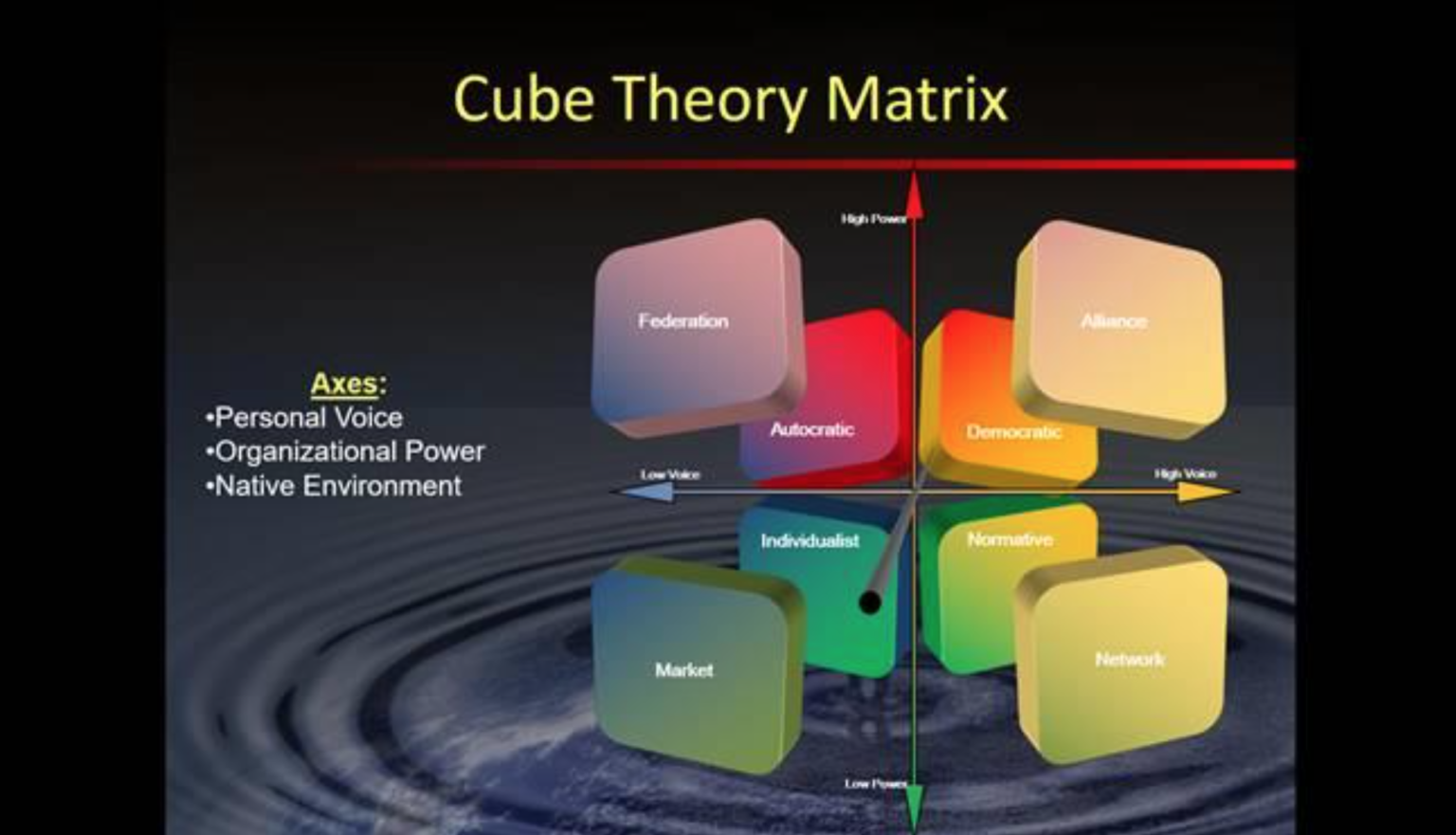
Polycentric Leadership for Kingdom Movements (Part II)
Joseph W. Handley, Jr. Published in Global Missiology, www.globalmissiology.org, April 2022 Abstract One of the simplest definitions for a Kingdom Movement is that proposed by David Garrison in looking at Church Planting Movements: “a rapid multiplication of indigenous churches planting churches that sweeps through a people group or population segment” (Garrison 2004, 21). Over the […]
BMS World Mission: A Case Study toward Polycentric Mission Leadership
Rev. Joseph W. Handley, Jr., Ph.D. and Rev. Kang-San Tan, D.Min. Ph.D. The British Baptist Missionary Society (BMS World Mission) holds a treasured place in the history of the modern mission movement. It was William Carey, often called the father of modern missions, who catalyzed the work with his famous An Enquiry into the Obligation […]

A Case Study in Polycentric Mission [AR1] A3-SIM: Strategic Partnership [AR2]
Robert Adair From 2011 to now, A3 (formerly Asian Access) missionaries (A3m) have made two transitions that have placed them under polycentric governance. This case study will attempt to explain the context and challenges of the current structure. Background In 2011, A3 formed a strategic partnership with SIM to deploy missionaries to Japan. SIM provided […]

Case Study: Lausanne Movement
by Noel Becchetti Vision: Mission: Connecting influencers and ideas for global mission “I’d characterize Lausanne’s leadership style as one of discussion and consensus.” David Bennett has served with the Lausanne Movement since 2009, his current role being Global Associate Director for Collaboration and Content. But the Lausanne Movement itself is nearing its 50th year of […]

Polycentric Leadership: A Theoretical Model for Global Leadership
By Promod Haque, Ph.D. and Joseph Handley, Ph.D. The development of fresh Global Leadership models has accelerated over the last few decades.1 These models show promise as businesses increasingly engage diverse customers and work across multiple cultures and nations. Teamwork effectiveness and cross-cultural acumen are imperative for success. Early in my career (Joe), I was […]

Case Study: Global Unites
By Noel Becchetti Vision: To inspire, connect, and equip youth to transform global societies through movements that promote hope, non-violence, and reconciliation Mission: To work alongside local leaders and transform conflict by hosting international summits, national conferences, specialized workshops, and strategic trainings to empower youth as agents of sustainable change “The key is to recruit […]