Module 3: Collaboration, Mentoring, and Distributed Decision-Making
By JOSEPH W. HANDLEY, Jr., Ph.D.
In the first two modules of this series, we explored Promod Haque’s remarkable leadership journey and Norwest Venture Partners’ commitment to diversification. But genuine polycentric culture requires more than the right structure or strategy. It depends on relationships built on trust, humility, and a willingness to learn from one another.
In this third module, Promod shares how collaboration, mentoring, and distributed decision-making create an environment where leaders with different backgrounds, experiences, and areas of expertise can contribute and flourish together.
Collaboration Across Differences
Organizations often celebrate diversity, but far fewer understand how to harness it effectively. Bringing together people from different backgrounds, disciplines, cultures, or areas of expertise does not automatically create better outcomes. In fact, diversity without trust can lead to misunderstanding, conflict, and fragmentation.
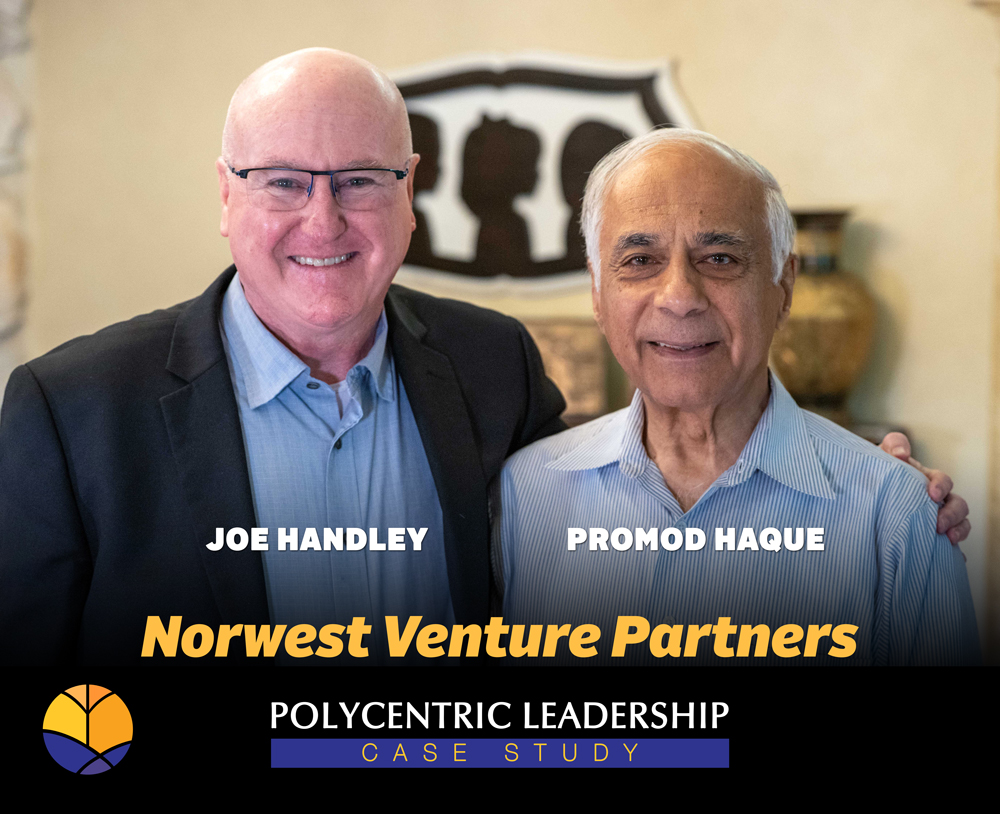
One of the most compelling aspects of my conversation with Promod was hearing how Norwest Venture Partners intentionally built teams that spanned countries, industries, and specialties. As the firm expanded across multiple domains and geographies, success increasingly depended on the ability of people with different perspectives to work together toward shared objectives.
This challenge is not unique to venture capital. Whether in churches, nonprofits, businesses, or ministry networks, leaders are constantly bringing together people who see the world differently. The question is not whether differences exist. The question is whether those differences become a source of strength or a source of division.
Polycentric leadership thrives when leaders learn to trust people whose expertise complements their own.
The Value of Different Perspectives
As Norwest grew, the firm’s leaders recognized that no single individual could possess expertise in every market, every geography, or every investment category. Success required relying on colleagues with distinct knowledge and experiences.
That realization sits at the heart of polycentric leadership.
Rather than concentrating authority in a small circle of experts, polycentric organizations recognize that important insights can emerge from many different places. Leaders become more effective when they listen well, welcome alternative viewpoints, and create environments where others can contribute meaningfully.
Many organizations unintentionally communicate that the most senior voices matter most. While experience is valuable, innovation often emerges from unexpected places. Healthy organizations create room for expertise to influence decision-making regardless of where it originates.
The result is often better decisions, stronger teams, and greater organizational resilience.
What Norwest Looks for in Founders
One of the most fascinating parts of our discussion involved Norwest’s process for evaluating entrepreneurs.
While many people assume investors focus primarily on technology, strategy, or financial projections, Promod described something deeper. The firm carefully assesses whether founders possess the humility and teachability necessary for long-term success.
Brilliant ideas alone are not enough.
Entrepreneurs will inevitably face challenges they cannot solve on their own. Markets shift. Customer needs evolve. Business models require adjustment. Success often depends on a leader’s willingness to learn from advisors, partners, team members, and mentors.
Promod emphasized that Norwest looks closely at a founder’s ability to listen.
“We’re trying to determine whether this person can be mentored.”
— PROMOD HAQUE
That simple observation carries profound implications.
Leaders who believe they have all the answers eventually limit the growth of their organizations. Leaders who remain teachable create space for collective wisdom to emerge.
In many respects, this is one of the defining characteristics of polycentric leadership. Authority is not diminished when leaders listen well. Instead, influence expands because others are empowered to contribute.
Humility as a Leadership Advantage
Humility is often misunderstood in leadership conversations. Some equate it with weakness or a lack of confidence. Promod’s perspective suggests precisely the opposite.
Humility enables leaders to engage fully with people who possess different skills and experiences. It allows them to recognize gaps in their own understanding. It creates room for collaborative learning and shared problem-solving.
Organizations frequently celebrate visionary leadership, but vision without humility can easily become centralized control. Polycentric leadership requires a different posture.
Leaders must be confident enough to make decisions while remaining humble enough to recognize they do not see the whole picture.
This balance is particularly important in today’s increasingly interconnected world. Teams often span multiple cultures, generations, and professional disciplines. The ability to learn across those differences has become one of the most important leadership competencies of our time.
As Promod reflected on the leaders who achieve lasting success, a common thread emerged: they possess both expertise and openness.
Empowering Others with Real Authority
Trust is not merely a feeling. It is demonstrated through action.
Many organizations say they value collaboration, but decision-making remains concentrated in a small group of leaders. Others invite participation but hesitate to grant meaningful authority.
Polycentric leadership challenges this tendency.
If organizations want to benefit from diverse perspectives, they must also empower people to influence outcomes. Real collaboration requires more than consultation. It requires trust.
One of the lessons I continue to learn from leaders like Promod is that distributed leadership does not mean a lack of accountability. Rather, it means authority is shared among capable people who bring different strengths to the table.
When leaders trust others with real responsibility, organizations become more adaptive, innovative, and resilient. They also become better environments for developing future leaders.
That process begins with a willingness to believe that valuable contributions can come from people who see the world differently than we do.
Building a Culture of Trust
As I reflect on this portion of my conversation with Promod, I am convinced that trust is one of the most important foundations of polycentric leadership.
Diversification may create multiple centers of expertise. Organizational structures may distribute authority. But neither will function effectively without relationships characterized by humility, collaboration, and mutual respect.
The healthiest organizations recognize that leadership is not about accumulating power. It is about creating environments where people can contribute their gifts for the benefit of the whole.
As you watch this third video, consider the relationships and decision-making patterns within your own organization. Are people genuinely empowered to contribute their expertise? Are leaders open to learning from others? Is trust strong enough to support meaningful collaboration across differences?
These questions often reveal whether an organization is truly operating as a polycentric system or simply talking about one.
Video 3: Building a Polycentric Organization in Practice
In this episode:
Promod describes building teams that span countries, industries, and professional specialties. He explains how Norwest evaluates founders not only on competence and vision, but also on their willingness to listen, collaborate, and be mentored by people with different skills and perspectives. His insights highlight the essential role that humility, trust, and distributed decision-making play in a healthy polycentric organization.
Reflection Questions
- How well does your leadership environment encourage collaboration across differences?
- What practical steps could you take to better empower and trust others with real decision-making authority?
ABOUT PROMOD HAQUE
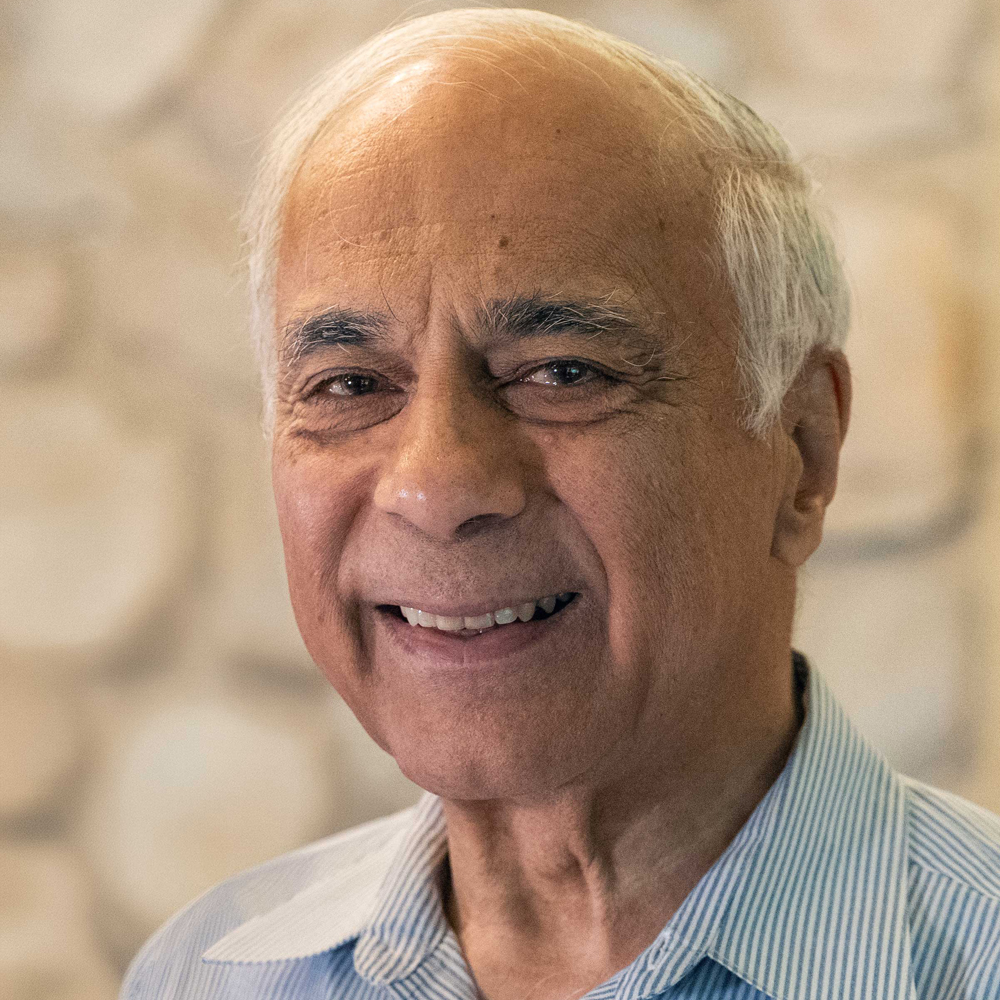
Promod Haque is a longtime venture capitalist and former Senior Managing Partner at Norwest Venture Partners, where he spent nearly four decades helping entrepreneurs build and scale innovative companies. Widely recognized as one of Silicon Valley’s most respected investors, Promod has guided numerous startups while mentoring generations of business leaders. Learn more at https://www.nvp.com
More Information
This post is the third in a 6-part case study series with Promod Haque:
- Part 1 – The Unexpected Path
- Part 2 – The Power of Diversification
- Part 3 – Trust Across Differences
- Part 4 – coming soon
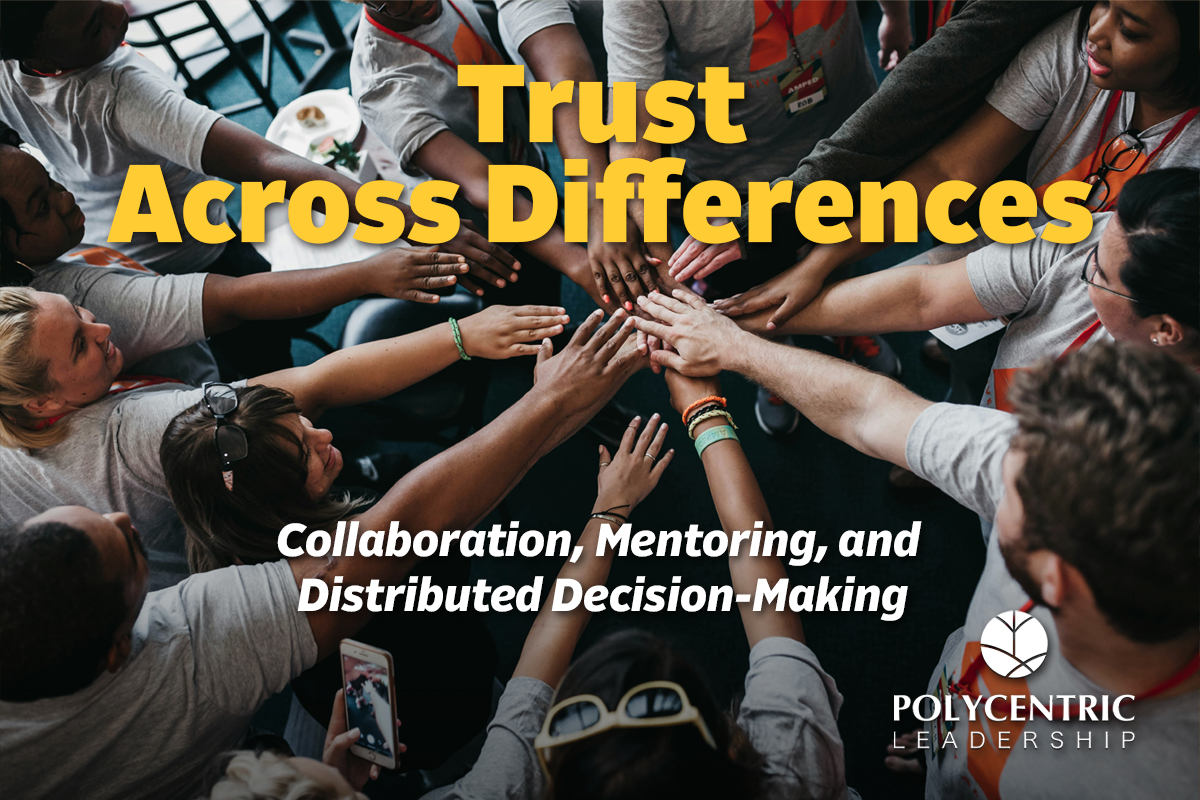
Cover photo of diverse hands working together by Camylla Battani on Unsplash