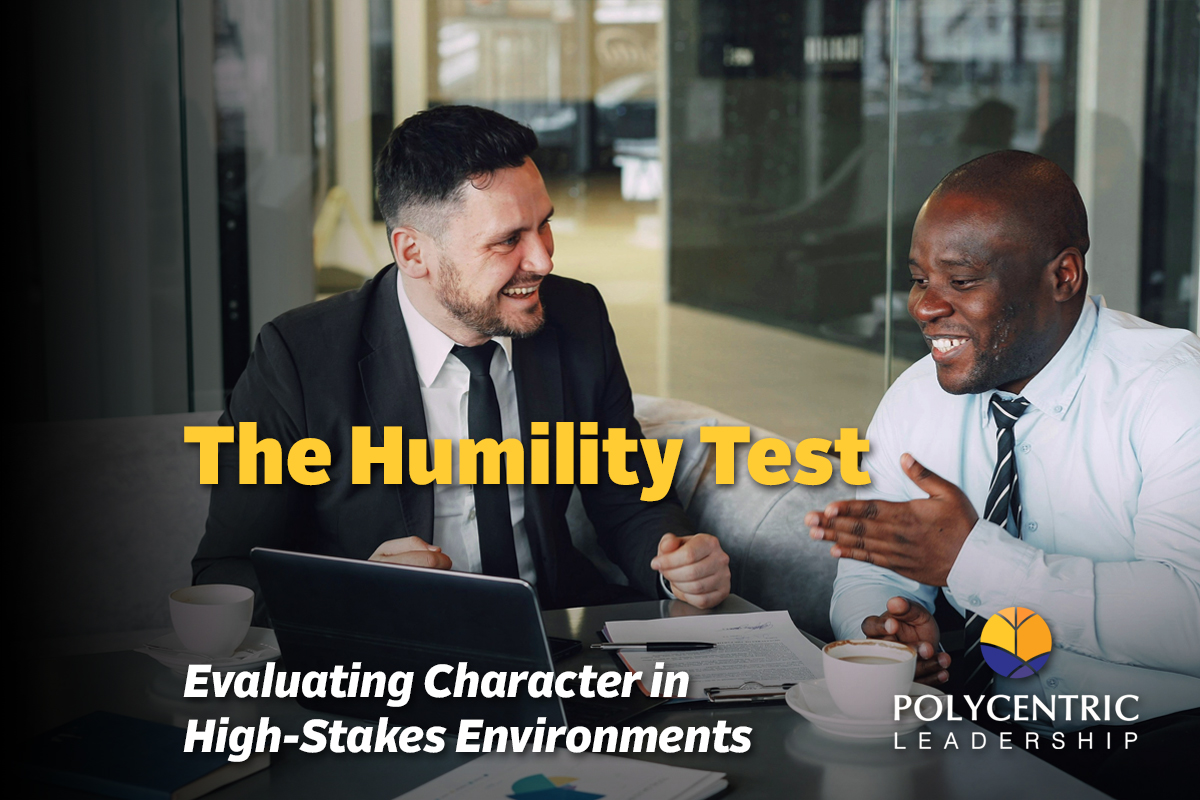
Module 6: Evaluating Character in High-Stakes Environments
By JOSEPH W. HANDLEY, Jr., Ph.D.
Throughout this series, Promod Haque has shared insights on leadership formation, organizational diversification, collaboration, resilience, and mentoring the next generation. As we conclude our conversation, he leaves us with one final lesson that may be the most important of all: character matters.
In the venture capital world, investors evaluate countless founders with ambitious ideas, innovative products, and compelling visions for the future. Yet Promod explained that technical expertise and market opportunity are only part of the equation. When Norwest Venture Partners evaluates a potential investment, they also pay close attention to the person behind the business.
- Can this founder build a team?
- Will they collaborate?
- Are they willing to learn?
Those questions often reveal more about a leader’s future potential than a pitch deck ever could.
The Character Behind the Vision
One of the realities of leadership is that no one succeeds alone. Every leader eventually encounters challenges they cannot solve independently. They need advisors, mentors, teammates, and trusted colleagues who can bring different perspectives and experiences to the table.
That is why Promod pays close attention to whether a founder is teachable.
As he explains:
“Is this a founder that will listen to you?”
— PROMOD HAQUE
The question sounds simple, but it goes to the heart of effective leadership.
Many leaders are confident. Some are visionary. Others are highly intelligent. Yet confidence without humility can become a serious liability. When leaders stop listening, they limit their ability to learn, adapt, and grow.
Why Humility Matters
In previous modules, we explored how polycentric leadership depends on distributed expertise and collaboration across multiple centers of influence. Those principles only work when leaders are willing to acknowledge that wisdom does not reside with them alone.
Promod described how Norwest conducts reference checks and evaluates whether founders are open to advice from investors, mentors, and peers with relevant experience.
They are not simply looking for competence.
They are looking for humility.
“Will they collaborate?”
— PROMOD HAQUE
That question is just as important today as it has ever been.
Healthy leaders recognize that other people often possess knowledge, experiences, and perspectives they themselves do not have. Rather than viewing that as a threat, they see it as an opportunity.
Humility creates space for collective intelligence to emerge.
The Ultimate Leadership Test
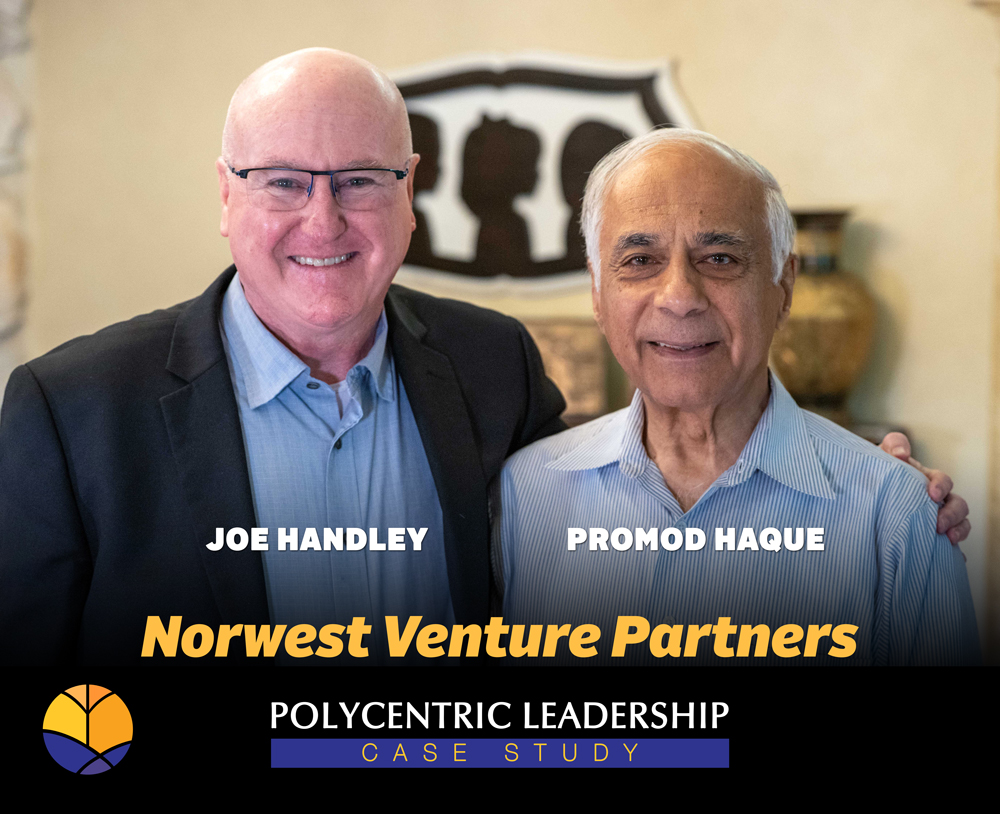
As I reflect on my conversation with Promod, I am struck by how consistent this theme has been throughout the entire series.
God used a variety of experiences to shape Promod’s own leadership journey. Norwest built resilience through diversification. Strong teams emerged through trust and distributed decision-making. Young leaders developed through experience and mentorship.
At every stage, growth required a willingness to learn.
Perhaps that is why humility is such an essential quality in polycentric leadership. When leadership is shared, collaboration is valued, and expertise is distributed, leaders must remain teachable. They must be willing to listen before they speak, learn before they assume, and invite others into the process.
In the end, some of the most successful leaders are not those who have all the answers. They are those who never stop learning.
As you watch this final video, consider your own leadership posture. Are there people God has placed around you whose wisdom and experience could strengthen your leadership if you took the time to listen?
The answer to that question may reveal more about your future effectiveness than any skill, strategy, or success you achieve on your own.
Video 6: valuating Character in High-Stakes Environments
Bonue Clip » https://vimeo.com/1202315230/08cdd19b83
Reflection Question
Why are humility and teachability such critical traits in polycentric leadership?
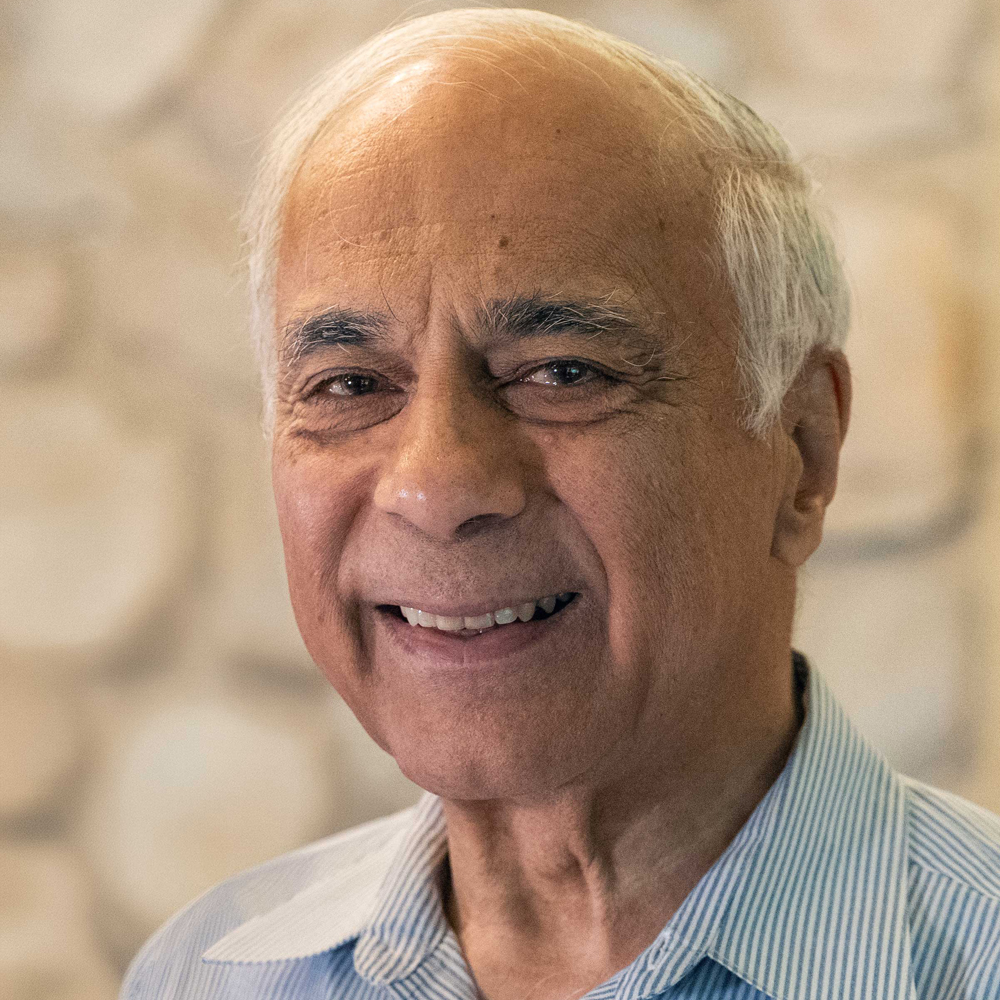
ABOUT PROMOD HAQUE
Promod Haque is a longtime venture capitalist and former Senior Managing Partner at Norwest Venture Partners, where he spent nearly four decades helping entrepreneurs build and scale innovative companies. Widely recognized as one of Silicon Valley’s most respected investors, Promod has guided numerous startups while mentoring generations of business leaders. Learn more at https://www.nvp.com
More Information
This post is the fifth in a 6-part case study series with Promod Haque:
- Part 1 – The Unexpected Path
- video link: https://vimeo.com/1202314798/a2dca8d701
- Part 2 – The Power of Diversification
- video link: https://vimeo.com/1202314796/c09687499c
- Part 3 – Trust Across Differences
- video link: https://vimeo.com/1202314797/7437a4ac0f
- Part 4 – When Centralized Models Fail
- video link: https://vimeo.com/1202314799/fcba4f85a9
- Part 5 – Wisdom for the Next Generation
- video link: https://vimeo.com/1202314883/e26a98b2d8
- Part 6 – The Humility Test
- video link: https://vimeo.com/1202315230/08cdd19b83
Photo Credits:
- Cover photo of two business people talking by Vitaly Gariev on Unsplash